
The Mid Curve Is a Curse
Why partial knowledge can produce worse decisions than either instinct or expertise.

When Knowledge Makes Judgment Worse
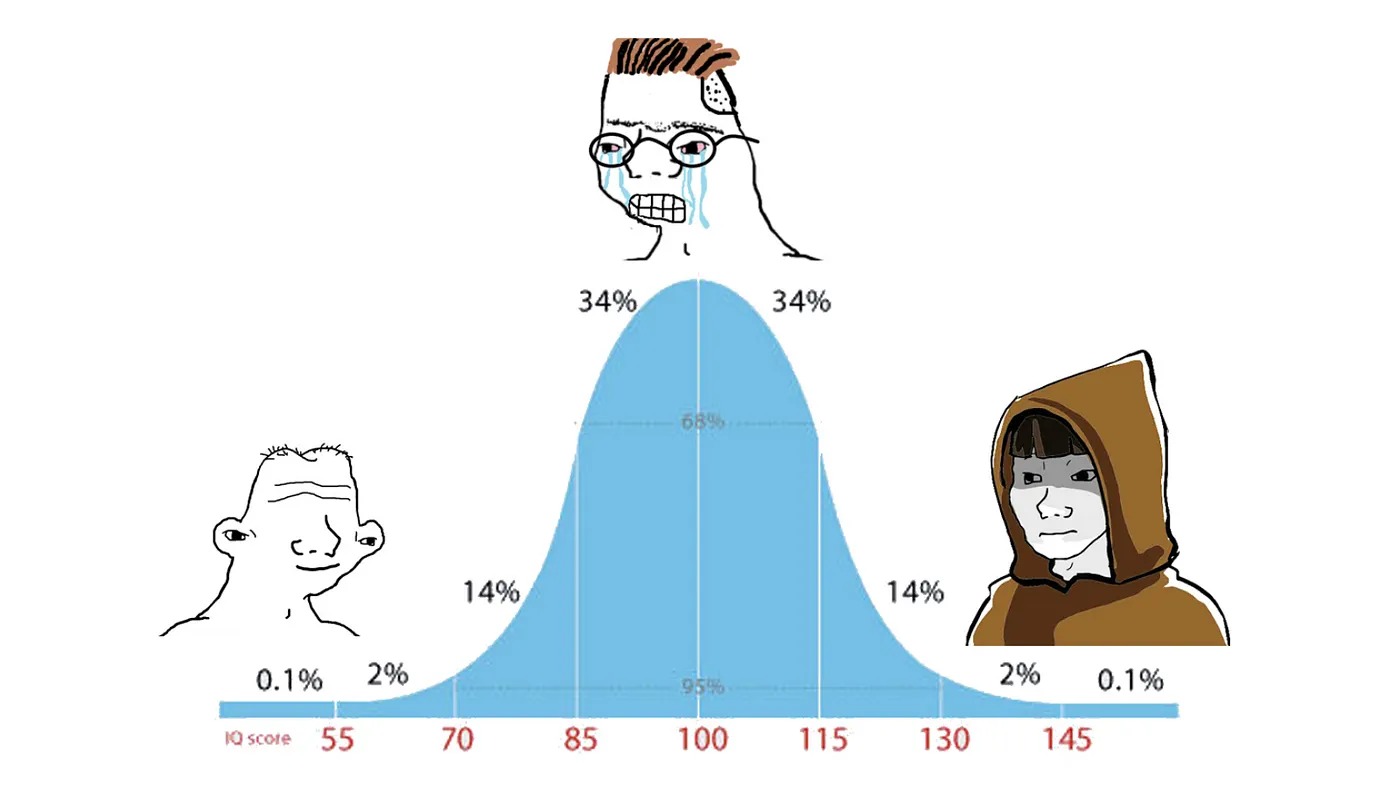
The mid-curve idea says that competence does not always rise in a straight line with knowledge. A beginner often chooses the obvious answer, an expert may return to a similar answer after understanding the full system, and the person between them can make a worse decision than either one.
The claim sounds insulting because it suggests that learning can be harmful. A more useful reading is narrower. Knowledge becomes dangerous when it is developed enough to override sound instinct but not developed enough to replace that instinct with a better model.
Why Partial Theories Are Persuasive
A beginner usually has no theory to defend. They respond to the situation in front of them, which works reasonably well when the problem is ordinary and the obvious answer is close to correct.
An expert has a theory, but also knows its limits. Years of contact with the subject have shown them which variables matter, which ones can be ignored, and when a simple rule stops applying. Their answer may look obvious from the outside, although the reasoning underneath it is not.
The person in the middle has a partial theory. It is sophisticated enough to displace the obvious answer but too incomplete to improve on it consistently. They have learned enough to distrust instinct and not enough to know when the new framework is misleading them.
Status adds pressure. Intermediate knowledge is often recent and visible, so the person wants to use it. A complicated answer demonstrates what they have learned in a way that a simple answer cannot. The extra work may be sincere, but sincerity does not make the additional complexity useful.
How Complexity Hides the Basic Task
- Investing. A beginner may buy an asset and leave it alone. An experienced investor may hold a broad portfolio because the evidence against frequent trading is strong. The person between them times the market, rotates between sectors, and pays a cost for each decision.
- Relationships. Direct communication works before anyone learns a framework and often remains the answer after they understand one. The middle can become a collection of labels and rules that delay an honest conversation.
- Health. Eating reasonably, sleeping, walking, and lifting something heavy for years account for most of the result. Elaborate supplement stacks and training plans can consume attention without changing the basics.
- Work. A beginner starts the important task. An experienced person protects time for it. The middle can spend a meaningful part of the week designing and maintaining a system for deciding what to do.
The person in the middle is rarely lazy. They may be working harder than everyone else. The problem is not effort but allocation: too much attention is going to the framework and too little to the part that produces the result.
Why the Two Ends Are Not Equivalent
The meme hides an important difference. A beginner can be right by accident and may not notice when the situation changes. An expert can explain why the simple answer works and recognise when it no longer does. Similar actions do not imply similar understanding.
The middle is also unavoidable. Nobody reaches expertise without spending time with incomplete ideas, making mistakes, and discovering where a framework fails. The aim is not to avoid the middle but to keep moving through it while remaining open to correction.
The idea becomes useless when it is applied only to other people. Everyone who shares the meme places themselves at one of the wise ends, and calling somebody a midwit is a way to dismiss them without answering their argument. I cannot assume that I am exempt from the same blind spot.
Making Complexity Earn Its Place
I take the pattern seriously because I found it in my own investing record. Some of my most active years were not my best years. People who had bought sensible assets earlier and left them alone did better than I did while I was researching, trading, and paying for each adjustment. The result was uncomfortable, but it was clear.
What I kept from the idea is a test. When my answer is more complicated than the obvious one, I ask what accuracy the extra complexity buys and what it costs to maintain. Sometimes the complexity is necessary because the simple rule has reached its limit. Often it is not, and returning to the basic task produces the better decision.